
by EricThompson | Apr 26, 2023 | Uncategorized
We are excited to present to you a comprehensive guide on how to tame a chameleon. If you’re interested in owning one of these fascinating creatures, it’s essential to understand how to tame them properly to ensure a happy and healthy chameleon.
Understanding Your Panther Chameleons
Before we dive into the steps on how to tame a Panther chameleon, it’s crucial to understand the nature of Panther chameleons. Panther Chameleons are unique reptiles with a remarkable ability to change colors.
Panther Chameleons are not like your typical household pets like cats or dogs. They are individual creatures that prefer to live on their own. They can be easily stressed out by sudden movements or loud noises, so it’s essential to keep them in a calm and quiet environment.
Preparing for Taming
Before attempting to tame your Panther chameleon, you need to ensure that you have the right setup to keep them comfortable and healthy. Here are the things you need to prepare:
- A spacious enclosure with plenty of climbing branches and foliage to provide a natural habitat for your panther chameleon
- UVB lighting simulates natural sunlight and promotes healthy growth and development
- A basking location with a heat bulb/lamp to provide warmth and help in digestion
- A misting system or Sprayer to maintain the humidity levels and water on the leaves in the enclosure
It’s important to note that chameleons require a specific diet of live insects such as crickets, roaches, and mealworms. You can also include supplements with their diet but insects should make up most of their diet.
Taming Your Panther Chameleon
Now that you have prepared the right setup for your Panther chameleon let’s move on to the steps on how to tame them:
Step 1: Familiarize Your Panther Chameleon with Your Presence
Start by spending time around your chameleon’s Cage. Spend time talking to them in a calm and soothing voice so that they can become familiar with your presence. Make sure that you avoid making sudden movements and or loud noises.
Step 2: Hand-Feeding Your Panther Chameleon
Once your Panther chameleon is familiar with your presence, you can start hand-feeding them. Offer them live insects by hand and let them come to you. Chameleons have excellent eyesight, and they will recognize you as the source of their food.
Step 3: Gradually Increase Contact
After a few weeks of hand-feeding, you can start to increase physical contact with your chameleon. Start by placing your hand near them and let them climb onto your hand. It’s essential to move slowly and let your chameleon take the lead.
Step 4: Handling Your Chameleon
Once your Panther chameleon is comfortable with physical contact, you can start handling them. Place your hand underneath their belly and gently lift them up. Make sure to support their weight and avoid squeezing them.
Conclusion
Taming a chameleon takes time and patience, but with the right setup and approach, you can create a trusting relationship with your chameleon. Remember to provide them with a comfortable and healthy environment and take things slow. We hope that this guide has been helpful in your quest to tame your chameleon.
by EricThompson | Apr 25, 2023 | Uncategorized
Understanding Chameleon Hissing: Reasons and Responses
Chameleons are fascinating creatures known for their ability to change color and blend into their environment. One behavior that has caught the attention of many pet enthusiasts is the hissing exhibited by these reptiles. In this comprehensive guide, we explore the reasons behind chameleon hissing, how to interpret it, and appropriate responses to ensure their well-being.
Why Do Chameleons Hiss?
Chameleons hiss for a variety of reasons, each stemming from their instinctual behaviors. Here, we delve into the main reasons behind their hissing.
Defense Mechanism
Chameleons use hissing as a defense mechanism when they perceive a threat or potential danger. It serves as a warning signal to predators, attempting to deter them from attacking.
Fear and Stress
A chameleon may hiss when it feels threatened, scared, or stressed. This behavior is an indication that the reptile is uncomfortable and may need additional attention.
Territory Disputes
Chameleons are territorial animals, and they may hiss to establish dominance or protect their space. This behavior is more common in males, as they may engage in territorial disputes with other chameleons.
Mating Rituals
During mating season, male chameleons may hiss to attract females or warn off potential rivals. Hissing in this context is a display of strength and fitness, signaling their suitability as a mate.
Recognizing Hissing Cues
Identifying the specific reasons behind a chameleon’s hissing is crucial for providing the best possible care. Look for the following cues to determine the cause of hissing:
Body Language
Observe your chameleon’s body language, such as puffing up, flattening their body, or curling their tail. These physical displays can provide insight into the cause of their hissing.
Environmental Factors
Monitor your chameleon’s environment, including temperature, humidity, and lighting. Inadequate conditions can cause stress, leading to hissing behavior.
Interaction with Other Chameleons
If your chameleon is hissing while interacting with other chameleons, it may be related to territorial disputes or mating rituals.
How to Respond to a Hissing Chameleon
Knowing how to respond to a hissing chameleon is essential to ensure their comfort and safety. Follow these steps to address the situation:
- Give them space: If your chameleon is hissing due to stress or fear, it is crucial to give them space and avoid handling them until they calm down.
- Check environmental conditions: Ensure the temperature, humidity, and lighting are within the appropriate range for your chameleon species. Make necessary adjustments if needed.
- Provide hiding spots: Offer multiple hiding spots in the enclosure to help your chameleon feel secure and reduce stress-related hissing.
- Monitor interactions with other chameleons: Keep a close eye on your chameleon’s interactions with others to identify any territorial disputes or mating-related behaviors. If needed, separate chameleons to minimize aggression and stress.
- Gradual acclimation: If your chameleon is new to your home or environment, allow them time to acclimate to their surroundings. Gradual exposure to handling can help reduce fear and stress-related hissing.
Maintaining a Stress-Free Environment
A stress-free environment is essential for your chameleon’s well-being. Follow these guidelines to ensure a comfortable habitat:
- Proper enclosure size: Provide an enclosure large enough for your chameleon to move around freely and explore. This allows them to exhibit natural behaviors and reduces stress.
- Appropriate lighting and temperature: Offer the appropriate levels of heat and UVB lighting to mimic their natural environment, promoting overall health and well-being.
- Humidity control: Maintain proper humidity levels by misting the enclosure regularly and providing a water source for your chameleon.
- Foliage and climbing options: Furnish the enclosure with plants, branches, and vines to create a natural and stimulating environment for your chameleon to explore.
- Regular cleaning: Clean the enclosure regularly to prevent the buildup of bacteria and waste, which can cause stress and health issues for your chameleon.
In conclusion, understanding the reasons behind chameleon hissing and responding appropriately is crucial to ensuring their well-being. By providing a stress-free environment, monitoring their interactions, and consulting a veterinarian when necessary, you can help your chameleon thrive and enjoy a healthy, happy life.

by EricThompson | Apr 25, 2023 | Uncategorized
The Ultimate Guide to Safe Plants for Chameleons: Creating a Thriving Environment
Chameleons are fascinating creatures that require a well-balanced and carefully constructed environment to thrive. One essential aspect of their habitat is the presence of safe plants, which offer shelter, humidity, and mental stimulation for your scaly friend. In this guide, we will explore the best plant options to create a healthy and secure environment for your chameleon.
Table of Contents
- Why Safe Plants are Essential for Chameleons
- Top 10 Safe Plants for Chameleons
- How to Choose the Right Plant for Your Chameleon’s Habitat
- Plant Care Tips for a Healthy Chameleon Habitat
- Unsafe Plants to Avoid
- Creating a Safe and Naturalistic Chameleon Enclosure
Why Safe Plants are Essential for Chameleons
Chameleons require plenty of foliage in their habitat for various reasons:
• Shelter and security: Dense vegetation provides hiding spots and helps chameleons feel safe in their environment.
• Climbing and exercise: Chameleons are arboreal creatures that need plants to climb and explore, promoting their physical well-being.
• Humidity control: Plants help maintain a consistent humidity level, which is essential for a chameleon’s health.
• Mental stimulation: A naturalistic enclosure with diverse plant life encourages chameleons to engage in instinctual behaviors.
Top 10 Safe Plants for Chameleons
Here is a curated list of the top 10 safe plants to include in your chameleon’s habitat:
- Ficus benjamina (Weeping Fig): A versatile plant with dense foliage, providing excellent coverage and climbing opportunities.
- Schefflera arboricola (Dwarf Umbrella Tree): This tree has umbrella-like leaves, creating a perfect canopy for chameleons to rest and hide.
- Hibiscus rosa-sinensis (Hibiscus): A tropical plant with large, colorful flowers that can add a touch of beauty to your chameleon’s enclosure.
- Epipremnum aureum (Pothos): A hardy, fast-growing vine with broad leaves, perfect for creating a lush environment.
- Tillandsia spp. (Air Plants): These low-maintenance plants can be placed throughout the enclosure, providing additional climbing and hiding spots.
- Dracaena spp. (Dracaena): With its upright growth and dense foliage, dracaena offers excellent vertical climbing opportunities.
- Chamaedorea elegans (Parlor Palm): A small, slow-growing palm that adds a tropical touch and helps maintain humidity.
- Bromeliad (Bromeliads): These vibrant plants offer a pop of color and can hold water in their cups, providing hydration for chameleons.
- Chlorophytum comosum (Spider Plant): A hardy plant with long, arching leaves that create additional hiding spots.
- Sansevieria trifasciata (Snake Plant): A low-maintenance, sturdy plant that contributes to air purification within the enclosure.

Thriving Pothos: The Unstoppable Plant
How to Choose the Right Plant for Your Chameleon’s Habitat
When selecting plants for your chameleon’s enclosure, consider the following factors:
- Size and growth rate: Choose plants that suit the dimensions of your chameleon’s habitat, considering their mature size and growth rate.
- Light requirements: Ensure the plants you select can thrive in the lighting conditions provided in the enclosure.
- Humidity tolerance: Opt for plants that can withstand the high humidity levels required for chameleons.
- Toxicity: Always verify that the plants are non-toxic and safe for your chameleon.

Dracaena: The Striking and Sturdy Statement Plant
Plant Care Tips for a Healthy Chameleon Habitat
To keep your chameleon’s habitat lush and vibrant, follow these plant care tips:
- Watering: Maintain appropriate moisture levels for each plant species. Overwatering can lead to root rot, while underwatering can cause wilting or death.
- Fertilizing: Use a balanced, slow-release fertilizer for the plants, but avoid excessive fertilization, as it may harm your chameleon.
- Pruning: Regularly trim plants to maintain their shape, promote bushier growth, and prevent overcrowding in the enclosure.
- Pest control: Inspect plants for pests before introducing them to the enclosure and use natural, chameleon-safe pest control methods if necessary.

Schefflera Arboricola: The Versatile Umbrella Plant
Unsafe Plants to Avoid
Some plants are toxic or unsuitable for a chameleon’s habitat. Here are a few common ones to avoid:
- Dieffenbachia (Dumb Cane): This plant contains calcium oxalate crystals, which can cause irritation or swelling if ingested.
- Spathiphyllum (Peace Lily): The leaves and flowers of this plant contain compounds that can be toxic to chameleons.
- Poinsettia (Euphorbia pulcherrima): The milky sap of this plant can be irritating to chameleons if they come into contact with it.
- Ivy (Hedera spp.): Many ivy species can be toxic to chameleons and should not be included in their habitat.
Always research the safety of plants before introducing them to your chameleon’s environment.

Hibiscus Rosa-Sinensis: A Tropical Burst of Radiance
Creating a Safe and Naturalistic Chameleon Enclosure
In addition to selecting the right plants, consider these tips for creating a safe and naturalistic habitat for your chameleon:
- Branches and vines: Provide a variety of climbing structures, such as natural branches and artificial vines, to encourage exploration and exercise.
- Multiple basking spots: Offer several basking areas at different temperatures to allow your chameleon to thermoregulate effectively.
- Water sources: Set up a drip system or use misters to maintain humidity and provide drinking water for your chameleon.
- Proper lighting: Ensure your chameleon receives adequate UVB light to support healthy bone development and prevent metabolic bone disease.
With careful planning and attention to detail, you can create a thriving environment that will allow your chameleon to live a healthy, fulfilling life.

by EricThompson | Apr 24, 2023 | Uncategorized
If you’re interested in chameleons for sale, you may be curious about how they change color. Contrary to popular belief, these changes are not due to pigments, but rather to structural changes within skin cells. Specifically, chameleons have two layers of light-reflecting cells in their skin, each containing nanoscopic crystals of the purine guanine.
As a chameleon shifts the orientation of these crystals in its skin, it can generate impressive changes in color, from greens to yellows, blues to whites, and reds to brighter hues. Researchers have discovered that these colors are created without pigments, through the interaction of photons and the guanine nanocrystals in the chameleon’s skin.
Michel Milinkovitch, professor of genetics and evolution at the University of Geneva, and his colleagues have demonstrated the presence of these two layers of cells in all chameleons studied so far. It’s believed that the ancestor of all chameleons had color-changing abilities, and for those species that have lost this ability, the guanine lattice in their skin may be less regular or flexible.
So, if you’re looking to buy panther chameleons for sale or any other type of chameleon, know that their color-changing abilities are due to an intricate interplay of light and nanocrystals, and not pigments.

by EricThompson | Apr 23, 2023 | Uncategorized
Scientists have discovered a remarkable specimen of a chameleon preserved in amber, believed to be the oldest of its kind in the world. The tiny lizard was found in a piece of Burmese amber that dates back to the mid-Cretaceous period, approximately 99 million years ago.
The chameleon is exceptionally well-preserved, with its entire body, including its skin, bones, and soft tissues, visible in the amber. This discovery provides new insights into the evolution of chameleons and their unique adaptations, such as their ability to change color and their long, sticky tongues used to catch prey.
This finding also highlights the importance of preserving amber deposits for scientific research, as they provide a unique window into ancient ecosystems and the creatures that lived in them.
If you’re interested in learning more about the world’s oldest chameleon found preserved in amber, be sure to read the full study published in the journal Science Advances.

by EricThompson | Apr 22, 2023 | Uncategorized
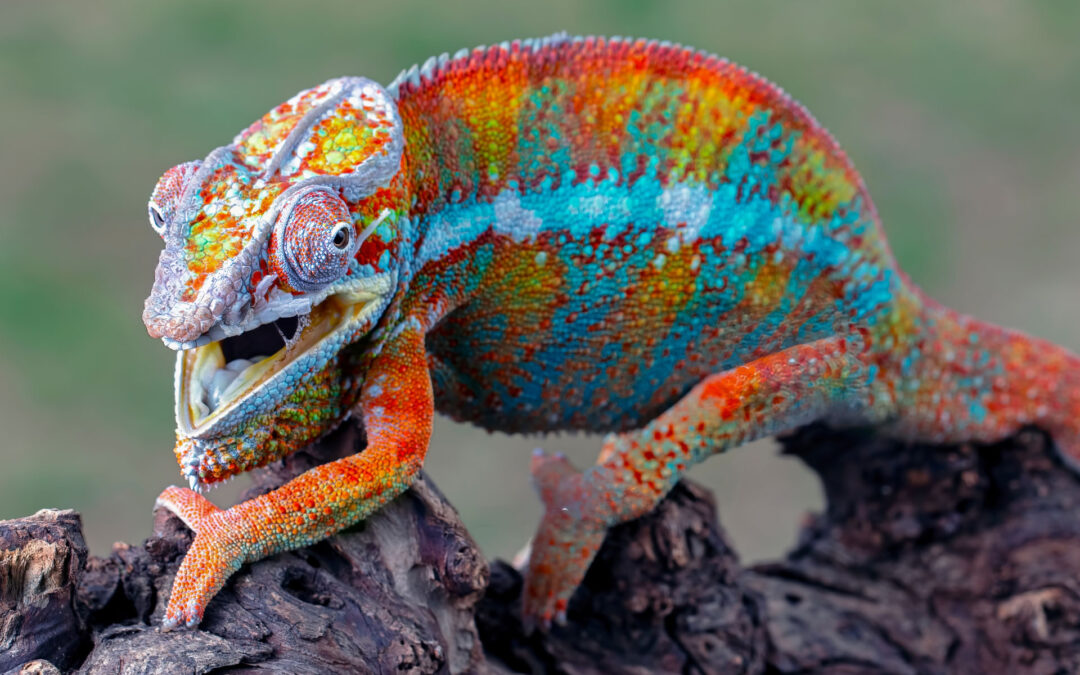
The Panther Chameleon (Furcifer pardalis) is a colorful species of chameleon found in the tropical forest biome of eastern and northern Madagascar. It has also been introduced to Réunion and Mauritius. These chameleons are known for their vibrant colors, which can vary depending on their geographical location. They are popular in the pet trade due to their striking appearance.
Panther chameleons are solitary and territorial, spending most of their time in isolation. They are active during the day and can be seen foraging for insects in trees. They have long, extendable tongues that can catch prey in a fraction of a second. Males are larger and more colorful than females and will compete with each other for dominance during the mating season.
In addition to their impressive coloration and behavior, panther chameleons have unique physical features such as their independently moving eyes, prehensile tails, and zygodactylous feet. These adaptations allow them to move easily through trees and catch prey.
Panther Chameleons: Colorful Reptiles in the Pet Trade | Locales and Color Patterns
Panther chameleons are colorful reptiles that are highly sought after in the pet trade. Their coloration varies with location, and the different color patterns of these chameleons are commonly referred to as ‘locales’. These locales are named after the geographical location in which they are found. Panther chameleons can display a range of colors, including vibrant blue, red, green, or orange, with numerous other color phases and patterns occurring between and within regions. Females generally remain tan and brown with hints of pink, peach, or bright orange, no matter where they are found, but there are slight differences in patterns and colors among the different color phases. Males in this species are larger and more vibrantly colored than females.
Panther Chameleons: Solitary and Territorial Reptiles | Tongue and Prey
Panther chameleons are solitary and very territorial reptiles that spend the majority of their lives in isolation, apart from the mating season. When two males come into contact, they will change color and inflate their bodies to assert their dominance. Battles often end at this stage, with the loser retreating and turning drab and dark colors. Occasionally, the displays result in physical combat if neither contender backs down. Panther chameleons are most active during the day and spend their time foraging in trees and searching for insects. They have very long tongues (sometimes longer than their own body length) which they are capable of rapidly extending out of the mouth. The tongue extends at around 26 body lengths per second and hits the prey in about 0.0030 sec. At the tip of this elastic tongue, a muscular, club-like structure covered in thick mucus forms a suction cup. Once the tip sticks to a prey item, it is drawn quickly back into the mouth, where the panther chameleon’s strong jaws crush it and it is consumed.
Breeding and Reproduction of Panther Chameleons | Clutches and Hatchlings
Panther chameleons are polygynous, meaning that one male mates with more than one female. Breeding varies with location but usually occurs between January and May. When carrying eggs, females turn dark brown or black with orange striping to signify to males they have no intention of mating. Females usually only live two to three years after laying eggs (between 5 and 8 clutches) because of the stress put on their bodies. Females can lay between 10 and 40 eggs per clutch, depending on the food and nutrient consumption during the period of development. Eggs are typically buried in excavated burrows and hatch in 240 days. Hatchlings are independent at birth and weigh around 0.25 to 0.75 g. They reach reproductive maturity at a minimum age of seven months.
Panther Chameleons: Abundant and Stable Populations | IUCN Red List
Panther chameleons face no major threats at present and are classified as Least Concern (LC) on the IUCN Red List. According to the IUCN, the Panther chameleon is abundant and widespread throughout its range but no overall population estimate is available. However, there are estimated 451,730 individuals of this species on the island of Nosy Be in northeastern Madagascar. This indicates that Panther chameleons have stable populations and are thriving in their natural habitats.
If you’re interested in learning more about the panther chameleon, check out our other articles on Madagascar chameleons or browse our selection of chameleon care guides.
