

The Ultimate Guide to Safe Plants for Chameleons: Creating a Thriving Environment
Chameleons are fascinating creatures that require a well-balanced and carefully constructed environment to thrive. One essential aspect of their habitat is the presence of safe plants, which offer shelter, humidity, and mental stimulation for your scaly friend. In this guide, we will explore the best plant options to create a healthy and secure environment for your chameleon.
Table of Contents
- Why Safe Plants are Essential for Chameleons
- Top 10 Safe Plants for Chameleons
- How to Choose the Right Plant for Your Chameleon’s Habitat
- Plant Care Tips for a Healthy Chameleon Habitat
- Unsafe Plants to Avoid
- Creating a Safe and Naturalistic Chameleon Enclosure
Why Safe Plants are Essential for Chameleons
Chameleons require plenty of foliage in their habitat for various reasons:
• Shelter and security: Dense vegetation provides hiding spots and helps chameleons feel safe in their environment.
• Climbing and exercise: Chameleons are arboreal creatures that need plants to climb and explore, promoting their physical well-being.
• Humidity control: Plants help maintain a consistent humidity level, which is essential for a chameleon’s health.
• Mental stimulation: A naturalistic enclosure with diverse plant life encourages chameleons to engage in instinctual behaviors.
Top 10 Safe Plants for Chameleons
Here is a curated list of the top 10 safe plants to include in your chameleon’s habitat:
- Ficus benjamina (Weeping Fig): A versatile plant with dense foliage, providing excellent coverage and climbing opportunities.
- Schefflera arboricola (Dwarf Umbrella Tree): This tree has umbrella-like leaves, creating a perfect canopy for chameleons to rest and hide.
- Hibiscus rosa-sinensis (Hibiscus): A tropical plant with large, colorful flowers that can add a touch of beauty to your chameleon’s enclosure.
- Epipremnum aureum (Pothos): A hardy, fast-growing vine with broad leaves, perfect for creating a lush environment.
- Tillandsia spp. (Air Plants): These low-maintenance plants can be placed throughout the enclosure, providing additional climbing and hiding spots.
- Dracaena spp. (Dracaena): With its upright growth and dense foliage, dracaena offers excellent vertical climbing opportunities.
- Chamaedorea elegans (Parlor Palm): A small, slow-growing palm that adds a tropical touch and helps maintain humidity.
- Bromeliad (Bromeliads): These vibrant plants offer a pop of color and can hold water in their cups, providing hydration for chameleons.
- Chlorophytum comosum (Spider Plant): A hardy plant with long, arching leaves that create additional hiding spots.
- Sansevieria trifasciata (Snake Plant): A low-maintenance, sturdy plant that contributes to air purification within the enclosure.
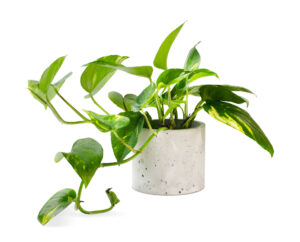
Thriving Pothos: The Unstoppable Plant
How to Choose the Right Plant for Your Chameleon’s Habitat
When selecting plants for your chameleon’s enclosure, consider the following factors:
- Size and growth rate: Choose plants that suit the dimensions of your chameleon’s habitat, considering their mature size and growth rate.
- Light requirements: Ensure the plants you select can thrive in the lighting conditions provided in the enclosure.
- Humidity tolerance: Opt for plants that can withstand the high humidity levels required for chameleons.
- Toxicity: Always verify that the plants are non-toxic and safe for your chameleon.
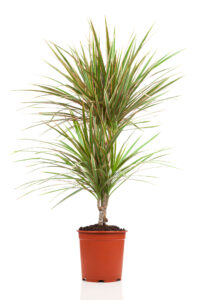
Dracaena: The Striking and Sturdy Statement Plant
Plant Care Tips for a Healthy Chameleon Habitat
To keep your chameleon’s habitat lush and vibrant, follow these plant care tips:
- Watering: Maintain appropriate moisture levels for each plant species. Overwatering can lead to root rot, while underwatering can cause wilting or death.
- Fertilizing: Use a balanced, slow-release fertilizer for the plants, but avoid excessive fertilization, as it may harm your chameleon.
- Pruning: Regularly trim plants to maintain their shape, promote bushier growth, and prevent overcrowding in the enclosure.
- Pest control: Inspect plants for pests before introducing them to the enclosure and use natural, chameleon-safe pest control methods if necessary.
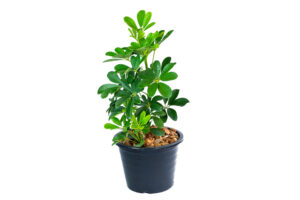
Schefflera Arboricola: The Versatile Umbrella Plant
Unsafe Plants to Avoid
Some plants are toxic or unsuitable for a chameleon’s habitat. Here are a few common ones to avoid:
- Dieffenbachia (Dumb Cane): This plant contains calcium oxalate crystals, which can cause irritation or swelling if ingested.
- Spathiphyllum (Peace Lily): The leaves and flowers of this plant contain compounds that can be toxic to chameleons.
- Poinsettia (Euphorbia pulcherrima): The milky sap of this plant can be irritating to chameleons if they come into contact with it.
- Ivy (Hedera spp.): Many ivy species can be toxic to chameleons and should not be included in their habitat.
Always research the safety of plants before introducing them to your chameleon’s environment.
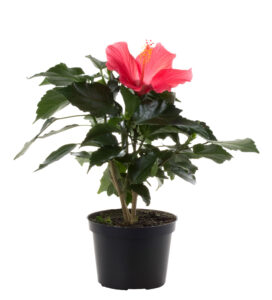
Hibiscus Rosa-Sinensis: A Tropical Burst of Radiance
Creating a Safe and Naturalistic Chameleon Enclosure
In addition to selecting the right plants, consider these tips for creating a safe and naturalistic habitat for your chameleon:
- Branches and vines: Provide a variety of climbing structures, such as natural branches and artificial vines, to encourage exploration and exercise.
- Multiple basking spots: Offer several basking areas at different temperatures to allow your chameleon to thermoregulate effectively.
- Water sources: Set up a drip system or use misters to maintain humidity and provide drinking water for your chameleon.
- Proper lighting: Ensure your chameleon receives adequate UVB light to support healthy bone development and prevent metabolic bone disease.
With careful planning and attention to detail, you can create a thriving environment that will allow your chameleon to live a healthy, fulfilling life.