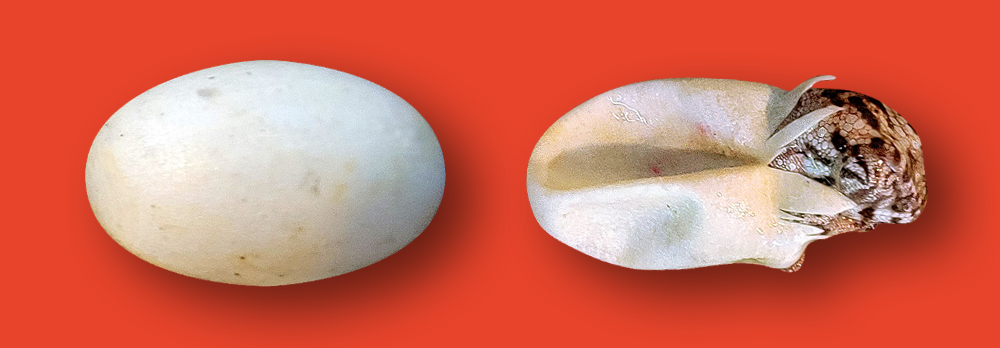
Choosing to raise a panther chameleon from an egg offers a unique and rewarding experience for reptile enthusiasts. This method not only allows you to witness the fascinating journey of life from the very beginning but also presents several advantages over acquiring a juvenile panther chameleon.
The Bonding Advantage:
Raising a panther chameleon from an egg fosters a deeper bond between the pet and the owner. From the moment of hatching, your chameleon will grow accustomed to your presence, handling, and care routines, potentially leading to a more tame and interactive companion.
Customized Care from Day One:
Starting with an egg gives you control over the environmental conditions from the earliest stages of life. You can ensure optimal temperature, humidity, and lighting conditions tailored to the specific needs of a growing chameleon, setting the stage for a healthier and potentially longer life.
Educational Value:
The process of incubating and hatching a chameleon egg is immensely educational, offering insights into the delicate balance of nature’s requirements for life. It’s a hands-on learning experience about reptile biology, responsibility, and the commitment required to nurture life.
Health and Well-being:
By raising a chameleon from an egg, you minimize the risks associated with the stress of relocation and adaptation that juvenile chameleons often face. This early control over diet, habitat, and healthcare can lead to better overall health and well-being of your pet.
A Unique Journey:
Each chameleon is unique, and raising one from an egg allows you to witness and influence its growth, coloration development, and personality, making your journey together truly one-of-a-kind.
Buying Supplies Over Several Months Vs All At Once:
Raising a panther chameleon from an egg is not only an engaging and educational experience but also a cost-effective and family-friendly activity. The initial investment in an egg is significantly lower than purchasing a juvenile chameleon, making it an attractive option for many. Additionally, this approach provides ample time for families to gradually prepare the chameleon’s habitat, spreading out the cost and involvement over several months. This period allows for the acquisition of a cage, lighting, branches, and other necessities in stages, making it less financially burdensome.
Cheap Feeder Insect Cultures:
Cultivating feeder insects like bean beetles and fruit fly cultures at home is straightforward and can be a fun and informative project for the whole family, teaching responsibility and the basics of life cycles. This not only ensures a steady and cost-effective food supply for your young chameleon but also adds another layer of engagement to the chameleon-rearing experience.
100% Hatch Guarantee:
Moreover, Chameleons 101 offers a hatch guarantee for eggs, providing added assurance and minimizing the risk of disappointment. In the unlikely event that an egg fails to hatch, options typically include receiving a replacement egg for just the cost of shipping or applying the initial purchase price towards a juvenile chameleon. This safety net makes starting with an egg an even more appealing choice for those looking to welcome a panther chameleon into their home.
In conclusion, while the path of raising a panther chameleon from an egg requires dedication, patience, and a willingness to learn, the rewards are profound. It offers an unparalleled opportunity to bond with your pet, ensures a healthy start in life, and provides an enriching educational experience. For those ready to embark on this remarkable journey, the adventure of raising a panther chameleon from an egg awaits.
Introduction Panther Chameleons, known for their vibrant colors and distinctive features, have become increasingly popular as exotic pets. They originate from the rainforests of Madagascar and captivate enthusiasts with their unique behaviors and care requirements. In this comprehensive guide, we’ll delve into the world of Panther Chameleons, exploring whether they’re the right pet for you, their specific needs, and how to ensure their wellbeing.
Understanding Panther Chameleons
Characteristics and HabitatThese chameleons are renowned for their striking color variations, playing a crucial role in communication and temperature regulation. In their natural habitat, they’re arboreal, spending most of their time in trees and bushes.
Captive-Bred Advantages Captive-bred Panther Chameleons are more adaptable to life in captivity, generally healthier, and less likely to carry parasites compared to their wild-caught counterparts.
Are Panther Chameleons Right for You?
Assessing Your Pet Needs Before deciding on a Panther Chameleon as a pet, consider what you seek in a companion. These creatures are more suited for those interested in observing unique wildlife rather than seeking an affectionate, interactive pet.
Temperament and Interaction While not known for sociability, Panther Chameleons can recognize their caregivers. Fascinating to watch, they do not enjoy being handled and can get stressed with over-handling.
Creating the Perfect Habitat
Enclosure Requirements A suitable enclosure should mimic their natural environment, with vertical space for climbing, UVB lighting, a heat source, and proper ventilation.
Plant Life and Decor Including live plants like Ficus, Pothos, and Hibiscus, along with branches and vines for climbing, provides a naturalistic environment for the chameleon.
Diet and Nutrition Panther Chameleons are insectivores, requiring a diet rich in live insects. ‘Gut loading’ the insects and occasional supplements with calcium and vitamins are crucial.
Health and Wellness Regular veterinary check-ups and monitoring for signs of stress or illness are essential for maintaining their health. Proper husbandry is key to preventing many common health issues.
Conclusion Panther Chameleons are unique and mesmerizing pets that require specific care and attention. They are best suited for experienced reptile enthusiasts who appreciate observing these creatures in a habitat that closely resembles their natural environment. With proper care, they can make fascinating and rewarding pets.
At our facility, we’re committed to providing the best care for Panther Chameleons (Furcifer pardalis), from incubation to adulthood. One of the most exciting parts of this journey is hatching Panther Chameleon eggs, a process filled with anticipation and wonder. This article covers all of the important answers to these topics:
What are Oviparous Reptiles?
Panther Chameleon Egg Incubation Temperature Ranges
Panther Chameleon Egg Hatching Time Ranges
Will Panther Chameleon Eggs Hatch Without a Male?
How Do I Know if My Panther Chameleon Egg is Fertile?
Do Panther Chameleon Eggs Need Ventilation?
What Can I Use to Incubate Panther Chameleon Eggs?
What to do in Warmer Dry Climates Like Pheonix AZ.?
What are Oviparous reptiles?
Oviparous reptiles are a classification of reptiles that reproduce by laying eggs. These eggs are fertilized internally within the female, who then lays them in a suitable environment. Examples of oviparous reptiles include most species of snakes, lizards, turtles, and, in this context, the Panther Chameleon.
Panther Chameleon Egg Incubation Temperature Ranges
The temperature range for incubating Panther Chameleon eggs is a critical aspect of their successful development. Incubation temperatures should ideally be maintained between 72°F and 80°F (22°C – 26.6°C). This range promotes optimal development and increases the likelihood of healthy hatchlings. It’s crucial to avoid drastic fluctuations in temperature, as this can negatively impact the eggs’ development and may even prevent the embryos from hatching. Consistent monitoring of the incubation temperature, therefore, is a vital part of the hatching process.
Incubation Time
Panther Chameleon eggs require a substantial amount of time to properly develop before they are ready to hatch. Panther Chameleon eggs typically require an incubation period of 240-270 days or Between 7.8 to 10 Months and in some cases, we have had eggs hatch at 12 even months. Mother Nature will sometimes hold the egg back until it’s ready.
Will Panther Chameleon Eggs Hatch Without a Male?
Female Panther Chameleons cannot produce viable, hatchable eggs without mating with a male. This process, known as fertilization, is necessary for the creation of an embryo within the egg. The male Panther Chameleon contributes genetic material during mating, which combines with the female’s to form a fertilized egg. Only fertilized eggs have the potential to develop into a hatchable embryo. Therefore, in the absence of a male, while a female Panther Chameleon may lay unfertilized eggs, these eggs will not develop into offspring and will not hatch.
How Do I Know if My Panther Chameleon Egg is Fertile?
Determining the fertility of your Panther Chameleon eggs is a critical step in the breeding process. Upon laying, fertile eggs generally have a healthy, off-white color and a firm yet slightly pliable shell. In contrast, infertile eggs often appear yellowish, thin-shelled, or shriveled.
Do Panther Chameleon Eggs Need Ventilation?
Proper ventilation is a key aspect of successfully incubating Panther Chameleon eggs. While the eggs need a consistently humid environment to prevent dehydration, they also require adequate airflow to exchange necessary gases. Without ventilation, the buildup of carbon dioxide inside the incubator can be harmful to the developing embryos. Therefore, while maintaining a humid environment, ensure your incubator allows for some degree of air exchange. The balance between humidity and ventilation is crucial for the healthy development of Panther Chameleon eggs, highlighting the importance of using a well-designed reptile egg incubator for the best hatching results.
What Can I Use to Incubate Panther Chameleon Eggs?
We Suggest a low-traffic spot so you don’t have to move the incubator container to check the substrate humidity. Our Patient Pending Incubator Cup System will successfully incubate Panther Chameleon eggs and requires no specialized equipment to replicate the precise conditions these eggs would experience in their natural habitat. Inside the Chameleons 101 incubator, eggs are placed on a rock substrate, which is moistened to maintain proper humidity levels. By using our Incubator and maintaining the optimal temperature conditions, you can greatly enhance the success rate of your Panther Chameleon egg incubation.
Understanding Panther Chameleon Reproduction
Understanding Panther Chameleon reproduction is a fascinating journey into the life cycle of these vibrant reptiles. Reproduction begins with mating, where the male displays striking colors to attract a female. Upon successful mating, the female will carry the fertilized eggs for about a month before laying them on a moist substrate. Typically, a female Panther Chameleon can lay between 10 to 40 eggs per clutch.
Mating Process
Panther Chameleons are oviparous reptiles (They lay eggs with relatively undeveloped embryos), meaning they lay eggs that later hatch outside of the mother’s body. The mating process begins when the male, displaying vibrant colors to attract the female, courts her. Once the female has accepted the male’s advances, copulation occurs.
Egg Laying
After successful mating, the female Panther Chameleon will carry the fertilized eggs for approximately one month before she’s ready to lay them. She will dig a hole in moist soil, where she’ll deposit her eggs, typically laying between 10 and 40 eggs in one clutch.
Panther Chameleon Egg stages
The hatching cycle of a Panther Chameleon egg begins with a series of distinct stages:
Embryonic Development Stage: After fertilization, the egg enters the embryonic development stage, where the embryo grows and differentiates within the protective shell. This stage lasts approximately 240 to 270 days under ideal incubation conditions.
Pipping Stage: As the eggs near the end of this period, they enter the pipping stage, where the hatchling inside begins to break the shell in preparation for hatching.
Hatching Stage: The final stage is hatching, where the fully formed Panther Chameleon emerges from the egg
Monitoring and Troubleshooting Panther Chameleon Eggs
Monitoring and troubleshooting are vital aspects of incubating Panther Chameleon eggs. Regular checks ensure that the eggs are developing correctly, Checking without touching and or moving the egg substantially. We suggest looking at the egg through the viewport window to check for substrate humidity and see if the egg is still white and the positioning dot or smile is facing up. The only reason you need to open the unit is if the unit looks dry and the substrate needs to be hydrated. Do not place water on the egg only place water on the substrate. Do not fill the unit full of water,You do not want the egg sitting in water. Just add a few drops of distilled water to the substrate. Make sure the positioning dot is up and close the unit without having touched or moved the container. Should any issues arise, we are prepared to intervene. Please contact us immediately.
Regular Checkups
Every 14 days check to ensure the eggs are hydrated and the positioning dot is up. We suggest closely monitoring the eggs, looking for signs of healthy development such as a steady increase in size. Try not to move or disturb the egg.
Raising Baby Panther Chameleons, with their captivating color patterns and engaging behaviors, are a marvel in the world of reptiles. This guide is tailored to provide you with in-depth knowledge about baby Panther Chameleons, their distinctive traits, and the expert care they require.
Discovering the World of Raising Baby Panther Chameleons
Baby Panther Chameleons, or hatchlings, exhibit a high level of self-reliance from birth, displaying fascinating behaviors and survival mechanisms honed over millennia. They can hunt with their tongues almost immediately except for a short resting period after hatching.
Dazzling Coloration
Baby Panther Chameleons are renowned for their striking color patterns. Their ability to change colors, influenced by their mood, temperature, and light, is a sight to see. They don’t show color for several months and are typically a brown pattern at hatch.
Exceptional Vision
Their independently rotating and focusing eyes offer them a panoramic view of their surroundings, a trait unique to the chameleon family.
Life Cycle of Baby Panther Chameleons
The journey of a Panther Chameleon from an egg to a mature adult is an incredibly fascinating journey.
From Egg to Hatchling
Panther Chameleon eggs incubate for approximately 7-9 months but we regularly see eggs that can take longer. Upon hatching, the baby chameleons are miniature versions of their adult counterparts, ready to explore their surroundings and very independent.
Rapid Growth and Maturity
Baby Panther Chameleons experience swift growth, reaching maturity within a year. By this time, they can be 10 to 30 times their birth size.
Expert Care for Baby Panther Chameleons
Caring for a baby Panther Chameleon requires a well-informed approach to their daily needs.
Optimal Housing and Environment
Baby Panther Chameleons flourish in a well-ventilated smaller enclosure (so it’s easier to find food) with plenty of climbing structures. A temperature gradient is essential, with a basking spot at around 85°F and a cooler end near 70°F.
Their diet should be rich in small insects. We recommend Bean Beetles, Heidi I Fruit Flies, and Pinhead Crickets. If the insect can fit between the little panther chameleon’s eyes, it can eat the insect. Hydration is crucial and is often provided by misting the enclosure, as Panther Chameleons prefer to drink water droplets from foliage leaves and branches. Make sure you water baby panther chameleons several times a day.
Regular Health Check-ups
Routine health assessments are essential to prevent and treat common chameleon illnesses like Metabolic Bone Disease and respiratory infections. For Chameleons 101 customers please call Eric ASAP if you suspect any health issues.
Handling Baby Panther Chameleons with Care
While Panther Chameleons are not keen on handling, a gentle slow approach to handling can help them adjust to their new caregivers. We suggest the use of a skewer stick as a way for the baby to get used to being handled but not be on your hand, let them come to you. Most Panther Chameleons will tolerate handling if they are in a good mood and not stressed or fighting illness. Please see our blog post on handling and taming Panther Chameleons.
Slow and Gentle Movements
Abrupt movements can cause stress. Always approach your chameleon slowly and gently to minimize potential anxiety.
Respect Their Personal Space
Remember that Panther Chameleons value their privacy. Keep handling to a minimum and always look out for signs of discomfort.
Concluding Thoughts on Baby Panther Chameleons
Baby Panther Chameleons are intriguing and visually stunning pets. They offer a unique opportunity to observe a distinctive form of life. With informed care and understanding, you can ensure your baby Panther Chameleon grows into a vibrant, healthy adult. The experience of raising a baby Panther Chameleon can be immensely rewarding, offering a fascinating glimpse into the rich biodiversity of the reptile world.
As a Panther Chameleons enthusiast, you may have asked yourself this Simple question: “Can my Panther Chameleons eat fruits and vegetables?” We can look into why they can eat fruits and vegtables but at Chameleons 101we suggest you dont.
Panther Chameleons Diet: What Do They Eat?
In the wild, Panther Chameleons are primarily insectivores, meaning their diet mainly consists of insects. They thrive on a variety of insects like crickets, superworms, waxworms, dubia roaches, hornworms, and Silkworms With Supplements which will give them all the protein and other nutrients to stay strong and healthy.
Now, to answer the question at hand, “Can Panther Chameleons eat fruits and vegetables?” The answer is, technically, yes. But should they? The answer leans more towards no. Here’s why:
Fruits and Vegetables in a Panther Chameleon’s Diet
While Panther Chameleons can consume small amounts of fruits and vegetables, these should not form a significant part of their diet. Their digestive systems are not created to deal with plant matter. Consuming lots of plants will cause all sorts of challenges. Its just best to stay away from fruits and vegtibles when it comes to feeding panther chameleons.
Supplementing a Panther Chameleon’s Diet
The best way to ensure that your Panther Chameleon gets all the nutrients it needs is through supplements. Dusting the insects with a calcium or multivitamin supplement before feeding ensures they receive their necessary nutrients.
Feeding a Panther Chameleon: Best Practices
When feeding your Panther Chameleon, remember these key points:
Variety is key: Providing a mix of different insects will ensure a balanced diet.
Size matters: The size of the food should never be larger than the space between the chameleon’s eyes.
Supplements are essential: Dust insects with a calcium or vitamin supplement to ensure a balanced diet.
Hydration: Chameleons usually drink water from dew or droplets on leaves, so mist their enclosure regularly.
Conclusion
Panther chameleons can eat fruits and vegtables but we advise againt it. Its far better to stick to there traditional diet of insects and supplements.