
by EricThompson | May 1, 2023 | Uncategorized
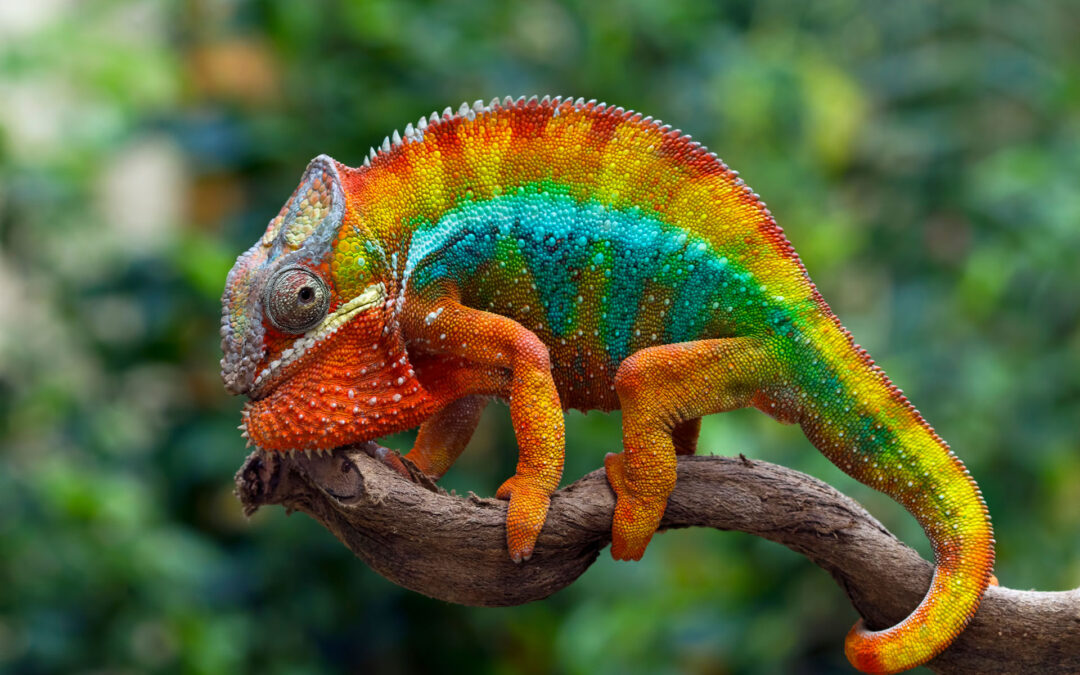
In this article, you will learn the reasons why chameleons have evolved curled tails and how they use them to survive. Chameleons’ other striking features are their cool 360-degree independent rotating eyes and color-changing crystal skin. We think that the curled tail is their most useful adaptation and most recognizable feature.
Table of Contents
1 The Examination of a Chameleon’s Tail Anatomy
2 The Functions of a Curled Tail
3 Tail Curling in Relation to Emotions and Communication
4 Chameleon Tail Curling and Health
5 How to Care for Your Chameleon’s Tail
The Examination of a Chameleon’s Tail Anatomy
The Chameleons Tail is used for many things including gripping things like a fifth arm. The chameleon’s high number of vertebrae in its spinal column and in conjunction with the tail’s large amount of muscle tissue creates a very strong appendage. They use these incredible adaptations to move around their habitat easliy.
The Functions of a Curled Tail
The curled tail of a chameleon serves several crucial functions, including:
- Balance and Support
Chameleons primarily live in trees and bushes, requiring them to maintain balance while climbing and maneuvering through branches. Their curled tail serves as a counterbalance, which enables them to maintain stability during these movements.
- Grasping and Holding
When a chameleon’s tail is wrapped around a branch, it provides an additional point of contact and support. This gripping ability allows them to secure themselves in place and navigate their environment more efficiently.
- Camouflage and Defense
A curled tail can help chameleons blend into their surroundings, as it mimics the shape of a coiled vine or a leaf. This camouflage tactic increases their chances of evading predators. Additionally, chameleons may use their tail to deter potential threats by rapidly uncoiling them, creating a startling effect.
Tail Curling in Relation to Emotions and Communication
Learning to read your chameleon’s tail position will help you to gain insight into the animals emotions and if they are frustrated scared or happy.
- Relaxed tail: A loosely curled tail indicates that the chameleon is relaxed and comfortable in its environment.
- Tightly curled tail: A chameleon with a tightly curled tail may be feeling threatened or stressed. It may also curl its tail while sleeping to maintain balance and stability.
Chameleon Tail Curling and Health
A chameleon’s tail can provide valuable information about its overall health:
- Healthy tail: A healthy chameleon should be able to curl and uncurl its tail without any difficulty. The tail should be flexible and show no signs of injury or infection.
- Unhealthy tail: If a chameleon cannot curl its tail or exhibits signs of swelling, discoloration, or injury, it may be experiencing health issues. In such cases, seeking veterinary care is crucial.
How to Care for Your Chameleon’s Tail
To ensure your chameleon’s tail remains healthy, consider the following tips:
- Proper habitat: Provide your chameleon with a spacious enclosure filled with branches and climbing structures that mimic its natural habitat. This will allow it to use its tail effectively for balance and support.
- Regular inspections: We recommend checking your chameleon’s tail weekly for any issues as it gives insight into the animals wellness.
- Balanced diet: A balanced and nutritious diet is essential for maintaining the overall health of your chameleon, including its tail. Provide a variety of insects, supplemented with calcium and multivitamins, to ensure it receives all the necessary nutrients.
- Gentle handling: When handling your chameleon, do so gently and avoid touching its tail excessively. This will help prevent accidental injuries and stress, both of which could negatively affect the tail’s health and function.
In conclusion, a chameleon’s curled tail is an essential and multifaceted aspect of its anatomy, serving various purposes from balance and support to communication and defense. By understanding the functions and importance of a chameleon’s tail and providing proper care, you can ensure the health and happiness of your captivating pet.

by EricThompson | Apr 30, 2023 | Uncategorized
Panther Chameleons are known for their guanine nanocrystals color-changing skin, and two independent rotating eyes that can see in both directions at the same time. in this article, we will discuss the highlights of why chameleons eyes are so special.
Table of Contents
- Overview of Chameleon miraculously evolved Eyes
- The Unique Anatomy of the Chameleon Eye
- How Chameleons See the World: Vision Capabilities
- Chameleon Eye Movement and Coordination
- The Role of Eyes in Chameleon Communication
- Protecting and Maintaining Chameleon Eye Health
- Conclusion
1. In-depth look at Chameleon Eyes
Chameleons have a unique situation awareness of their surroundings as they use their independent moving eyes to create a 360-degree visual picture of their environment. This makes it very hard for predators to sneak up on them.
2. The Unique Anatomy of Chameleon Eyes
Chameleon eyes are composed of several specialized structures that contribute to their impressive functionality:
- Eyelids: Chameleons have fused eyelids, with only a small opening, called a “palpebral fissure,” for the pupil to peek through. This unique design protects the eye from debris and predators, while still allowing for a wide range of vision.
- Scleral plates: Beneath the skin, chameleon eyes are encased in a ring of bony plates called “scleral plates.” These plates support the eye and provide structural stability during rapid eye movements.
- Retina: The retina of a chameleon is comprised of two types of photoreceptor cells – cones and rods. Cones are responsible for color vision, while rods enable vision in low light conditions. The high density of cones in chameleon retinas allows them to perceive a wide range of colors, including ultraviolet light.
3. How Chameleons See the World: Vision Capabilities
Chameleons boast remarkable visual capabilities that help them navigate their complex environments:
-
- Wide field of view: Thanks to their protruding eyes and unique eyelid design, chameleons can view nearly 360 degrees around them, without moving their head. This panoramic view enables them to spot predators and prey with ease.
- Magnified vision: Chameleons have a specialized lens that can change shape, providing them with “zoom” capabilities. By adjusting the lens, chameleons can focus on objects at varying distances, enabling them to track prey with exceptional precision.
- Color vision: Chameleons can perceive a wide range of colors, including ultraviolet light. This ability is crucial for recognizing and interpreting visual signals from other chameleons, as well as for detecting prey against colorful backgrounds.
4. Chameleon Eye Movement and Coordination
One of the most striking features of chameleon eyes is their ability to move independently of each other, a phenomenon known as “independent eye rotation.” This unique adaptation allows chameleons to survey their surroundings, track prey, and watch for predators simultaneously.
When a chameleon spots potential prey, it will rotate both eyes in the same direction, focusing on the target. This process, called “convergent eye movement,” provides the chameleon with binocular vision and depth perception, which is crucial for accurately estimating the distance to its prey before striking with its lightning-fast tongue.
5. The Role of Eyes in Chameleon Communication
Chameleon eyes play a significant role in communication and social interactions within their species. Their ability to perceive a broad spectrum of colors, including ultraviolet light, is essential for interpreting visual cues from other chameleons. These cues can convey information about an individual’s emotional state, dominance, or intentions.
Males may display bright, contrasting colors to signal their dominance or to court females, while submissive or threatened chameleons may exhibit muted, darker colors. Understanding these visual signals can help chameleons navigate complex social hierarchies and avoid conflict.
6. Protecting and Maintaining Chameleon Eye Health
Proper care is crucial for maintaining the health and functionality of chameleon eyes. Here are some essential tips for ensuring your chameleon’s eyes stay in peak condition:
-
-
-
-
- Clean environment: Keep your chameleon’s enclosure clean and free of debris to reduce the risk of eye infections or irritation.
- Proper humidity: Chameleons require a certain level of humidity to maintain healthy eyes. Ensure that their enclosure maintains appropriate humidity levels, and provide a source of clean water for them to drink and bathe in.
- UVB lighting: Ultraviolet B (UVB) light is essential for chameleon eye health, as it aids in the synthesis of vitamin D3, which is necessary for proper calcium absorption. Provide your chameleon with a UVB light source, and replace the bulb as recommended by the manufacturer.
- Diet: Feed your chameleon a balanced diet of insects, vegetables, and supplements to ensure they receive the necessary nutrients for optimal eye health.
- Veterinary care: Regular check-ups with a qualified reptile veterinarian can help detect and treat potential eye issues before they become sever
7. Conclusion
Chameleons are remarkable creatures, possessing not only the ability to change colors but also an incredible double vision system. The highly coordinated effort between their unique eye structure, specialized neurons, and converging and diverging mechanisms allows chameleons to scan their environment, locate prey, and launch precision strikes. As we continue to unravel the mysteries of chameleon vision, we gain a deeper appreciation for the adaptability and complexity of these fascinating creatures.
by EricThompson | Apr 27, 2023 | Uncategorized
Introduction
At Chameleons 101, we have a deep passion for all types of exotic reptiles, including Panther chameleons. These fascinating creatures are known for their unique ability to change color and blend in with their environment. One curious behavior that Panther Chameleons exhibit is puffing up their bodies. In this article, we’ll delve into the reasons behind this behavior and provide a comprehensive understanding of chameleon puffing.
Table of Contents
-
- Reasons for Panther Chameleons Puffing Up
- Defense Mechanism
- Territorial Behavior
- Courtship and Mating
- Stress and Fear
- How Panther Chameleons Puff Up
- Chameleon Health and Puffing
- Final Thoughts
Reasons for Panther Chameleons Puffing Up
There are several reasons why Panther Chameleons might puff up their bodies. These include defense, territorial behavior, courtship and mating, and stress or fear. Now we can discuss these items in more detail.
Defense Mechanism
Panther Chameleons are little reptiles, and in nature, they face many predators. Puffing up is a defense mechanism that makes them appear larger and more threatening to potential predators. By inflating their bodies, Panther Chameleons can discourage attackers and increase their chances of survival.
Territorial Behavior
Panther Chameleons can be quite territorial, especially when it comes to defending their space from other chameleons. Puffing up is a way for them to assert dominance and establish boundaries within their territory. Males, in particular, will often engage in this behavior when they encounter another male chameleon in their area.
Courtship and Mating
During the mating season, male Panther Chameleons will often puff up their bodies to attract females. This display is meant to show off their size and strength, making them more appealing to potential mates. Female Panther Chameleons may also puff up when they are not receptive to a male’s advances, signaling that they are not interested in mating.
Stress and Fear
Panther Chameleons can experience stress and fear just like any other animal. When they feel threatened or anxious, they may puff up as a way to cope with the situation. It is essential for chameleon owners to be aware of their pet’s stress levels and address any potential causes of anxiety.
How Panther Chameleons Puff Up
Panther Chameleons are able to puff up their bodies by taking in air and distributing it throughout their body cavity. This process is facilitated by their flexible ribs and skin, which can expand to accommodate the increased volume. Once the threat or stimulus has passed, the chameleon will gradually release the air and return to its normal size.
Panther Chameleon Health and Puffing
While puffing up is a natural behavior for chameleons, excessive puffing can be a sign of health issues or stress. If you notice that your chameleon is frequently puffing up, it is essential to assess its living conditions and consult a veterinarian experienced in reptile care.
Some factors that may contribute to excessive puffing include:
- Inadequate living conditions, such as an enclosure that is too small or lacks proper temperature and humidity levels.
- Poor diet, which can lead to malnutrition or obesity.
- Inappropriate or excessive handling can cause stress and anxiety for your chameleon.
- The presence of other Panther Chameleons or pets may trigger territorial behavior or fear responses.
- Health issues, such as respiratory infections, parasites, or other illnesses can cause discomfort and stress.
To maintain your chameleon’s health and well-being, it is crucial to provide a suitable environment, a balanced diet, and proper care. Regular visits to a reptile veterinarian can also help ensure that your chameleon remains in good health.
Final Thoughts
Understanding the reasons behind Panther Chameleon puffing up is essential for both chameleon enthusiasts and pet owners. By recognizing the different motivations behind this behavior, you can better interpret your chameleon’s needs and provide the best possible care.
Panther Chameleons are fascinating creatures with unique behaviors and adaptations. Puffing up is just one example of how these incredible animals have evolved to survive and thrive in their natural habitats. As a chameleon owner, it is your responsibility to create a comfortable and stress-free environment that allows your pet to exhibit these natural behaviors while staying healthy and happy.

by EricThompson | Apr 26, 2023 | Uncategorized
We are excited to present to you a comprehensive guide on how to tame a chameleon. If you’re interested in owning one of these fascinating creatures, it’s essential to understand how to tame them properly to ensure a happy and healthy chameleon.
Understanding Your Panther Chameleons
Before we dive into the steps on how to tame a Panther chameleon, it’s crucial to understand the nature of Panther chameleons. Panther Chameleons are unique reptiles with a remarkable ability to change colors.
Panther Chameleons are not like your typical household pets like cats or dogs. They are individual creatures that prefer to live on their own. They can be easily stressed out by sudden movements or loud noises, so it’s essential to keep them in a calm and quiet environment.
Preparing for Taming
Before attempting to tame your Panther chameleon, you need to ensure that you have the right setup to keep them comfortable and healthy. Here are the things you need to prepare:
- A spacious enclosure with plenty of climbing branches and foliage to provide a natural habitat for your panther chameleon
- UVB lighting simulates natural sunlight and promotes healthy growth and development
- A basking location with a heat bulb/lamp to provide warmth and help in digestion
- A misting system or Sprayer to maintain the humidity levels and water on the leaves in the enclosure
It’s important to note that chameleons require a specific diet of live insects such as crickets, roaches, and mealworms. You can also include supplements with their diet but insects should make up most of their diet.
Taming Your Panther Chameleon
Now that you have prepared the right setup for your Panther chameleon let’s move on to the steps on how to tame them:
Step 1: Familiarize Your Panther Chameleon with Your Presence
Start by spending time around your chameleon’s Cage. Spend time talking to them in a calm and soothing voice so that they can become familiar with your presence. Make sure that you avoid making sudden movements and or loud noises.
Step 2: Hand-Feeding Your Panther Chameleon
Once your Panther chameleon is familiar with your presence, you can start hand-feeding them. Offer them live insects by hand and let them come to you. Chameleons have excellent eyesight, and they will recognize you as the source of their food.
Step 3: Gradually Increase Contact
After a few weeks of hand-feeding, you can start to increase physical contact with your chameleon. Start by placing your hand near them and let them climb onto your hand. It’s essential to move slowly and let your chameleon take the lead.
Step 4: Handling Your Chameleon
Once your Panther chameleon is comfortable with physical contact, you can start handling them. Place your hand underneath their belly and gently lift them up. Make sure to support their weight and avoid squeezing them.
Conclusion
Taming a chameleon takes time and patience, but with the right setup and approach, you can create a trusting relationship with your chameleon. Remember to provide them with a comfortable and healthy environment and take things slow. We hope that this guide has been helpful in your quest to tame your chameleon.
by EricThompson | Apr 25, 2023 | Uncategorized
Understanding Chameleon Hissing: Reasons and Responses
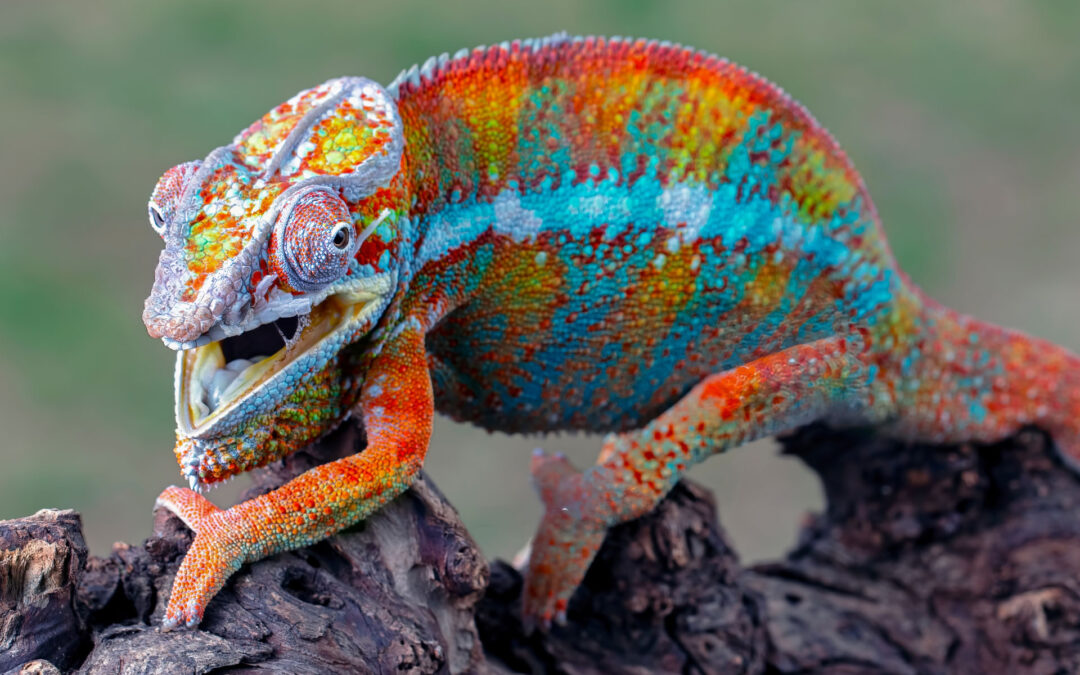
Chameleons are fascinating creatures known for their ability to change color and blend into their environment. One behavior that has caught the attention of many pet enthusiasts is the hissing exhibited by these reptiles. In this comprehensive guide, we explore the reasons behind chameleon hissing, how to interpret it, and appropriate responses to ensure their well-being.
Why Do Chameleons Hiss?
Chameleons hiss for a variety of reasons, each stemming from their instinctual behaviors. Here, we delve into the main reasons behind their hissing.
Defense Mechanism
Chameleons use hissing as a defense mechanism when they perceive a threat or potential danger. It serves as a warning signal to predators, attempting to deter them from attacking.
Fear and Stress
A chameleon may hiss when it feels threatened, scared, or stressed. This behavior is an indication that the reptile is uncomfortable and may need additional attention.
Territory Disputes
Chameleons are territorial animals, and they may hiss to establish dominance or protect their space. This behavior is more common in males, as they may engage in territorial disputes with other chameleons.
Mating Rituals
During mating season, male chameleons may hiss to attract females or warn off potential rivals. Hissing in this context is a display of strength and fitness, signaling their suitability as a mate.
Recognizing Hissing Cues
Identifying the specific reasons behind a chameleon’s hissing is crucial for providing the best possible care. Look for the following cues to determine the cause of hissing:
Body Language
Observe your chameleon’s body language, such as puffing up, flattening their body, or curling their tail. These physical displays can provide insight into the cause of their hissing.
Environmental Factors
Monitor your chameleon’s environment, including temperature, humidity, and lighting. Inadequate conditions can cause stress, leading to hissing behavior.
Interaction with Other Chameleons
If your chameleon is hissing while interacting with other chameleons, it may be related to territorial disputes or mating rituals.
How to Respond to a Hissing Chameleon
Knowing how to respond to a hissing chameleon is essential to ensure their comfort and safety. Follow these steps to address the situation:
- Give them space: If your chameleon is hissing due to stress or fear, it is crucial to give them space and avoid handling them until they calm down.
- Check environmental conditions: Ensure the temperature, humidity, and lighting are within the appropriate range for your chameleon species. Make necessary adjustments if needed.
- Provide hiding spots: Offer multiple hiding spots in the enclosure to help your chameleon feel secure and reduce stress-related hissing.
- Monitor interactions with other chameleons: Keep a close eye on your chameleon’s interactions with others to identify any territorial disputes or mating-related behaviors. If needed, separate chameleons to minimize aggression and stress.
- Gradual acclimation: If your chameleon is new to your home or environment, allow them time to acclimate to their surroundings. Gradual exposure to handling can help reduce fear and stress-related hissing.
Maintaining a Stress-Free Environment
A stress-free environment is essential for your chameleon’s well-being. Follow these guidelines to ensure a comfortable habitat:
- Proper enclosure size: Provide an enclosure large enough for your chameleon to move around freely and explore. This allows them to exhibit natural behaviors and reduces stress.
- Appropriate lighting and temperature: Offer the appropriate levels of heat and UVB lighting to mimic their natural environment, promoting overall health and well-being.
- Humidity control: Maintain proper humidity levels by misting the enclosure regularly and providing a water source for your chameleon.
- Foliage and climbing options: Furnish the enclosure with plants, branches, and vines to create a natural and stimulating environment for your chameleon to explore.
- Regular cleaning: Clean the enclosure regularly to prevent the buildup of bacteria and waste, which can cause stress and health issues for your chameleon.
In conclusion, understanding the reasons behind chameleon hissing and responding appropriately is crucial to ensuring their well-being. By providing a stress-free environment, monitoring their interactions, and consulting a veterinarian when necessary, you can help your chameleon thrive and enjoy a healthy, happy life.
