
Understanding Chameleon Hissing: Reasons and Responses
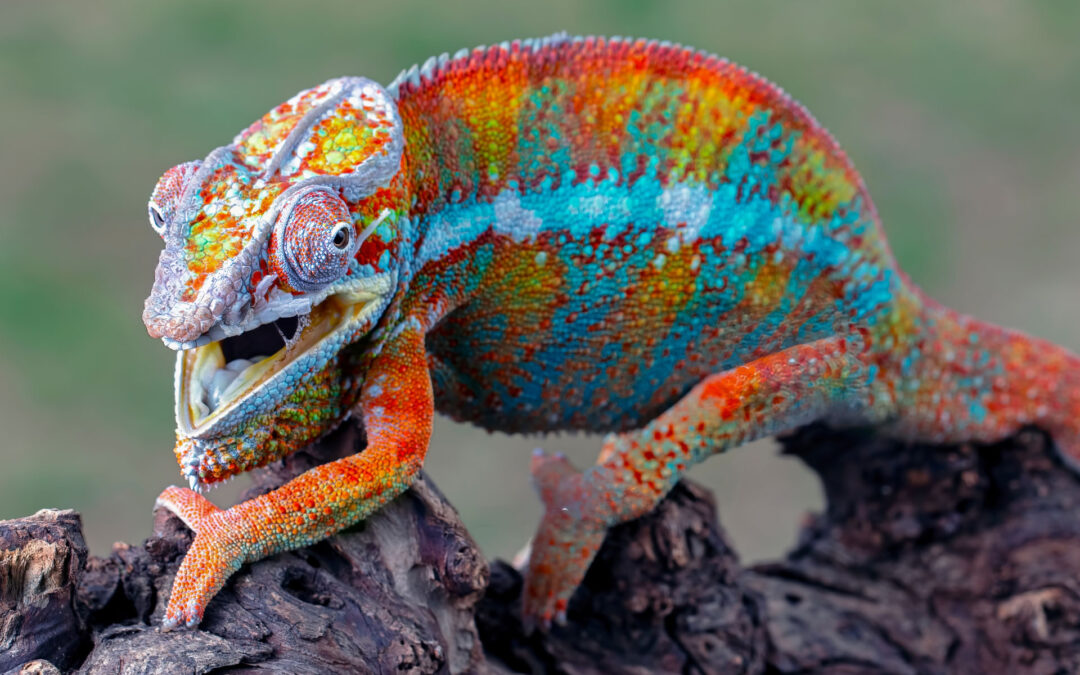
Chameleons are fascinating creatures known for their ability to change color and blend into their environment. One behavior that has caught the attention of many pet enthusiasts is the hissing exhibited by these reptiles. In this comprehensive guide, we explore the reasons behind chameleon hissing, how to interpret it, and appropriate responses to ensure their well-being.
Why Do Chameleons Hiss?
Chameleons hiss for a variety of reasons, each stemming from their instinctual behaviors. Here, we delve into the main reasons behind their hissing.
Defense Mechanism
Chameleons use hissing as a defense mechanism when they perceive a threat or potential danger. It serves as a warning signal to predators, attempting to deter them from attacking.
Fear and Stress
A chameleon may hiss when it feels threatened, scared, or stressed. This behavior is an indication that the reptile is uncomfortable and may need additional attention.
Territory Disputes
Chameleons are territorial animals, and they may hiss to establish dominance or protect their space. This behavior is more common in males, as they may engage in territorial disputes with other chameleons.
Mating Rituals
During mating season, male chameleons may hiss to attract females or warn off potential rivals. Hissing in this context is a display of strength and fitness, signaling their suitability as a mate.
Recognizing Hissing Cues
Identifying the specific reasons behind a chameleon’s hissing is crucial for providing the best possible care. Look for the following cues to determine the cause of hissing:
Body Language
Observe your chameleon’s body language, such as puffing up, flattening their body, or curling their tail. These physical displays can provide insight into the cause of their hissing.
Environmental Factors
Monitor your chameleon’s environment, including temperature, humidity, and lighting. Inadequate conditions can cause stress, leading to hissing behavior.
Interaction with Other Chameleons
If your chameleon is hissing while interacting with other chameleons, it may be related to territorial disputes or mating rituals.
How to Respond to a Hissing Chameleon
Knowing how to respond to a hissing chameleon is essential to ensure their comfort and safety. Follow these steps to address the situation:
- Give them space: If your chameleon is hissing due to stress or fear, it is crucial to give them space and avoid handling them until they calm down.
- Check environmental conditions: Ensure the temperature, humidity, and lighting are within the appropriate range for your chameleon species. Make necessary adjustments if needed.
- Provide hiding spots: Offer multiple hiding spots in the enclosure to help your chameleon feel secure and reduce stress-related hissing.
- Monitor interactions with other chameleons: Keep a close eye on your chameleon’s interactions with others to identify any territorial disputes or mating-related behaviors. If needed, separate chameleons to minimize aggression and stress.
- Gradual acclimation: If your chameleon is new to your home or environment, allow them time to acclimate to their surroundings. Gradual exposure to handling can help reduce fear and stress-related hissing.
Maintaining a Stress-Free Environment
A stress-free environment is essential for your chameleon’s well-being. Follow these guidelines to ensure a comfortable habitat:
- Proper enclosure size: Provide an enclosure large enough for your chameleon to move around freely and explore. This allows them to exhibit natural behaviors and reduces stress.
- Appropriate lighting and temperature: Offer the appropriate levels of heat and UVB lighting to mimic their natural environment, promoting overall health and well-being.
- Humidity control: Maintain proper humidity levels by misting the enclosure regularly and providing a water source for your chameleon.
- Foliage and climbing options: Furnish the enclosure with plants, branches, and vines to create a natural and stimulating environment for your chameleon to explore.
- Regular cleaning: Clean the enclosure regularly to prevent the buildup of bacteria and waste, which can cause stress and health issues for your chameleon.
In conclusion, understanding the reasons behind chameleon hissing and responding appropriately is crucial to ensuring their well-being. By providing a stress-free environment, monitoring their interactions, and consulting a veterinarian when necessary, you can help your chameleon thrive and enjoy a healthy, happy life.